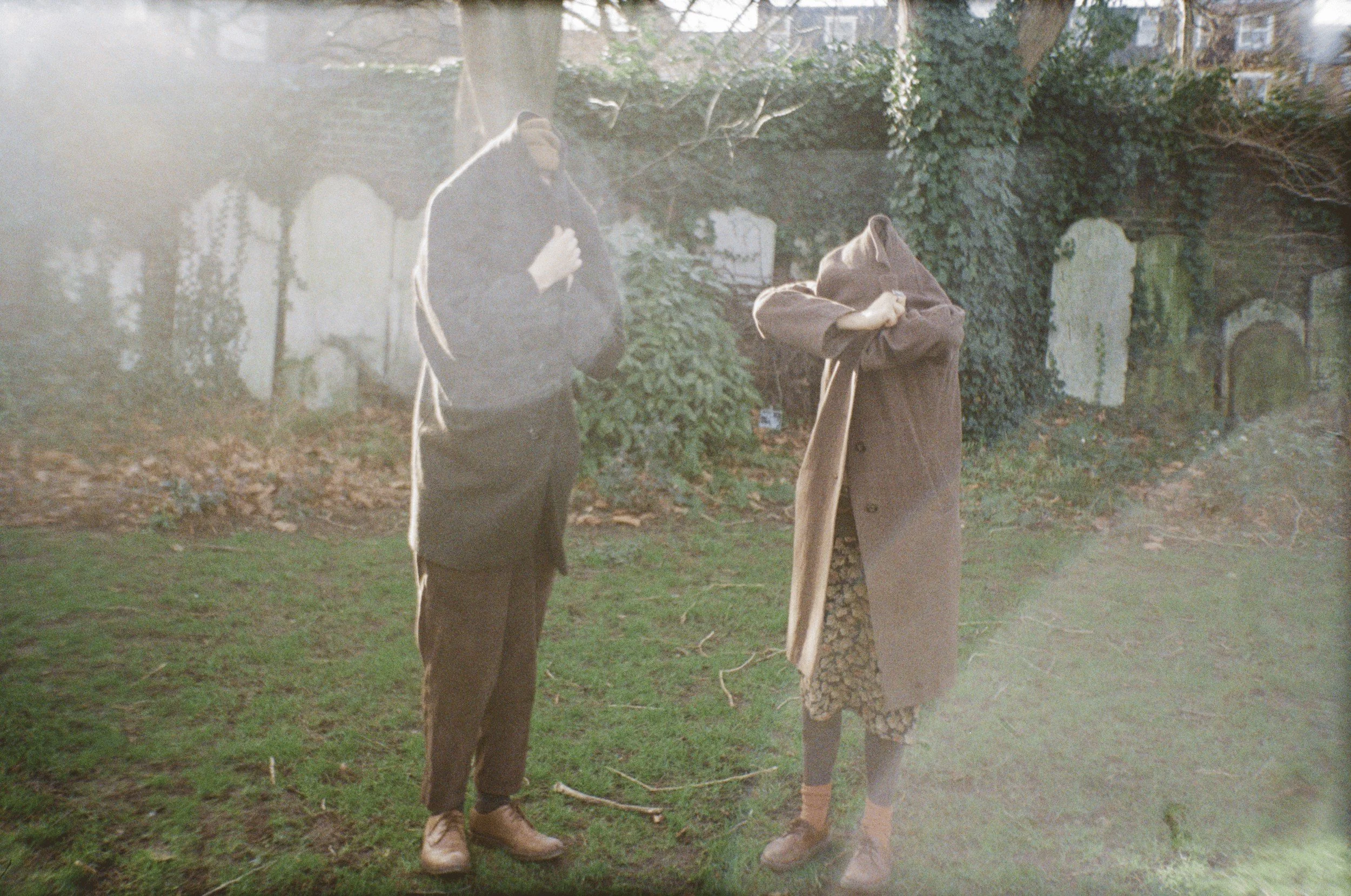
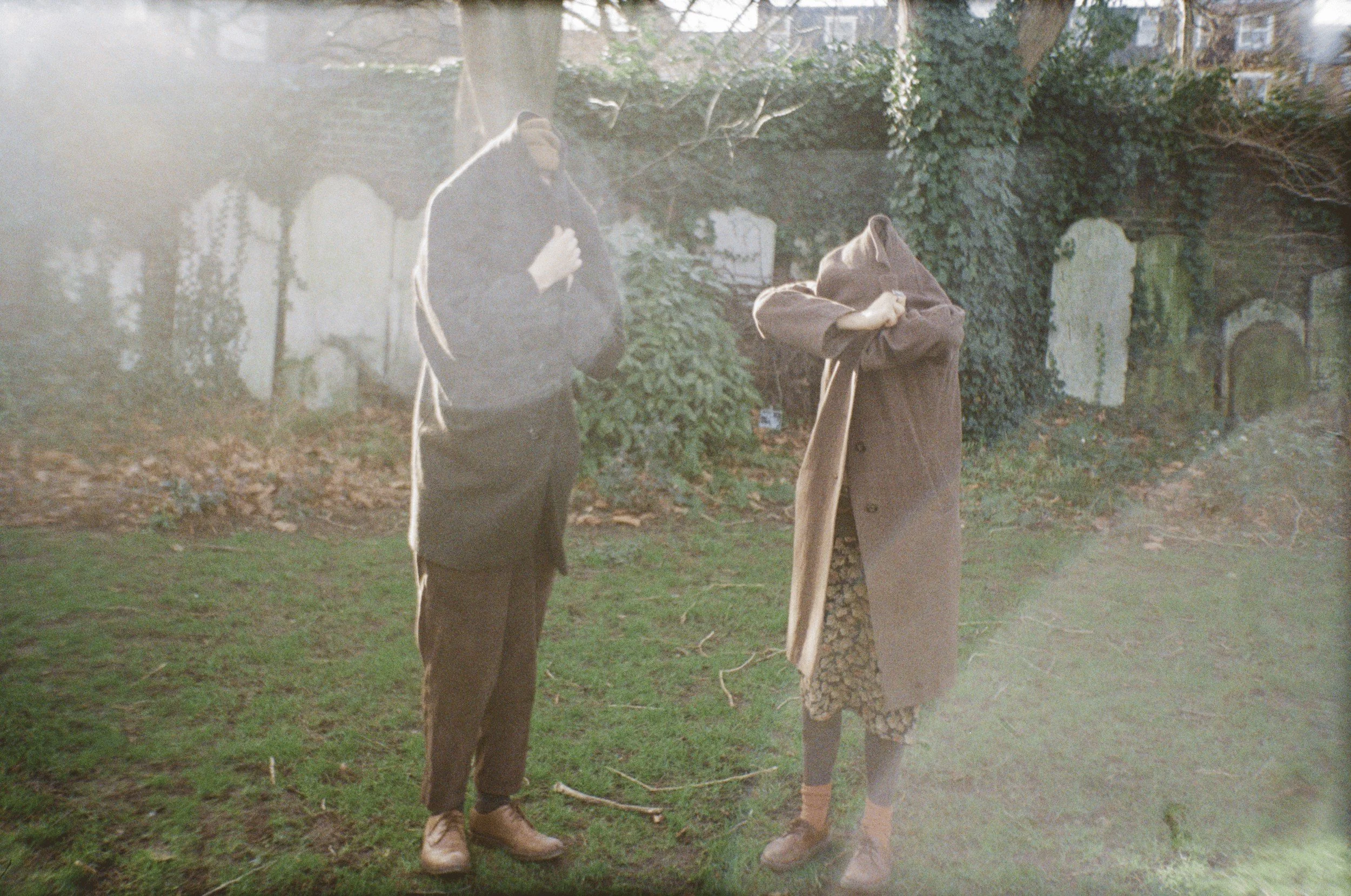
For three years Milkweed have refined a formula – taking existing source material (a folklore journal, a book on Welsh myths, another on bronze age human remains), cutting up the words and feeding them through a woodchipper of lo-fi production and experimental folk music. This time, however, they decided to push themselves further – to use all 400 pages of Thomas Kinsella’s masterfully stark translation of the Táin Bó Cúailnge, rather than manipulated snippets.

After it took an entire year just to process 20 pages, however, the band found themselves humbled. “It made us appreciate oral traditions in a completely different way, the intensity with which you had to engage with the work to feel like you could understand and transmit it.” They only got as far as the Remscéla of their new record’s title – a collection of independently transmitted ‘pre-stories’ that provide necessary context to what is to follow. Take The Pangs Of Ulster for example – a curse that incapacitated the men of Ulster with the same pain felt by women in labour, something that proves pivotal to the story of the Táin Bó Cúailnge but is unexplained in the text itself.

With Milkweed having applied energy befitting a 400-page epic to just the fragments of the Remscéla, the record bristles with more lifeforce than anything the band have yet produced. The band have raised the bar when it comes to their production, the blend of manipulated vocals, eerie beats and potent instrumental scraps twisting around each other like a thick, potent smoke.

It makes for a crucial step forward in Milkweed’s exquisite discography, and yet to view Remscéla in such earthly terms is to do it a disservice. Rather, this is an album that places the band firmly in the lineage of storytellers through whom these epics have become immortal, channelled from one century to the next and for centuries hereafter. “What we came to appreciate is that our role is really just to be a vessel. You sacrifice your inner life to do it, but you’ve fulfilled your function.”